
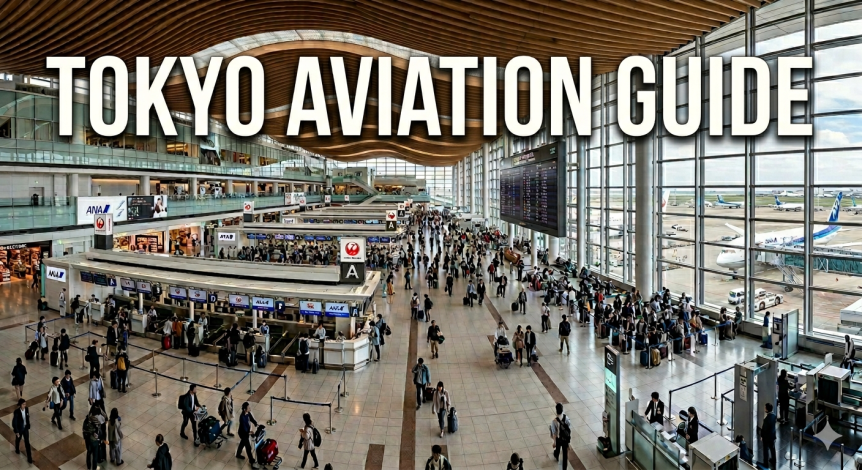
Tokyo Travel Guide: Everything Aviation Professionals Need to Know
Updated May 2026
Ah, Tokyo – the bustling metropolis that never fails to amaze, whether you’re touching down for a quick layover or planning an extended stay in one of Asia’s most incredible cities. As someone who’s navigated these airports more times than I can count, I can tell you that Tokyo offers something truly special for us aviation folks. From the precision of Japanese air traffic control to the sheer efficiency of ground operations, this city runs like a well-oiled machine – much like the airlines that serve it.
With two major international airports and a domestic network that puts most countries to shame, Tokyo is a hub that connects the world. Whether you’re deadheading through on company business, using your employee benefits for a vacation, or just fascinated by aviation infrastructure, Tokyo delivers an experience that’ll leave you planning your next visit before you’ve even left.
Trust me, once you experience the bow from the ramp agents or watch the aircraft movements at Haneda, you’ll understand why Tokyo holds a special place in every aviation professional’s heart.
Airlines Serving Tokyo’s Airports
Tokyo is served by two major international airports, and the variety of airlines is simply staggering. Have a look:
Narita International Airport (NRT) serves as Tokyo’s primary international gateway for long-haul and LCC traffic, located about 76 km (~47 miles) east of the city center in Chiba Prefecture. Three terminals handle different carrier types: Terminal 1 (Star Alliance / ANA), Terminal 2 (Oneworld / JAL), and Terminal 3 (LCCs).
Home Airlines at NRT:
- All Nippon Airways NH – Star Alliance – international & domestic – T1
- Air Japan NQ – ANA’s mid-range international LCC – T3
- Japan Airlines JL – Oneworld Alliance – international & domestic – T2
- Jetstar Japan GK – domestic & regional LCC – T3
- Peach Aviation MM – domestic & regional LCC – T3
- Spring Airlines Japan IJ – domestic LCC – T3
- Zipair Tokyo ZG – JAL’s long-haul LCC subsidiary – T3
Key International Carriers at NRT:
- Aeromexico AM – nonstop from Monterrey (MTY); Mexico City passengers connect at MTY – T2
- Air Busan BX – T1
- Air Canada AC – nonstop from Vancouver (YVR), Toronto (YYZ), Montreal (YUL) – T1
- Air China CA – T1
- Air Macau NX – T1
- Air New Zealand NZ – T1
- Air Niugini PX – T1
- Air Premia YP – T1
- Air Seoul RS – T1
- Air Tahiti Nui TN – T1
- Alaska Airlines AS – nonstop from Seattle (SEA), operated by Alaska as Hawaiian Airlines – T1
- American Airlines AA – nonstop from Dallas/Fort Worth (DFW), Las Vegas (LAS) – T2
- Asiana Airlines OZ – T1
- Austrian Airlines OS – T1
- Batik Air Malaysia OD – T1
- Cambodia Airways K6 – T1
- Cathay Pacific CX – T2
- Cebu Pacific 5J – T1
- China Airlines CI – T2
- China Eastern Airlines MU – T1
- China Southern Airlines CZ – T1
- Eastar Jet ZE – T1
- EgyptAir MS – T1
- El Al LY – T1
- Emirates EK – T2
- Ethiopian Airlines ET – T1
- Etihad Airways EY – T1
- EVA Air BR – T2
- Fiji Airways FJ – T1
- Finnair AY – T1
- Garuda Indonesia GA – T1
- Greater Bay Airlines HB – T1
- Hainan Airlines HU – T1
- HK Express UO – T1
- Hong Kong Airlines HX – T1
- Iberia IB – T1
- Jeju Air 7C – T1
- Jetstar JQ – T3
- Jin Air LJ – T1
- Juneyao Airlines HO – T1
- KLM KL – nonstop from Amsterdam (AMS) – T1
- Korean Air KE – T1
- LOT Polish Airlines LO – nonstop from Warsaw (WAW) – T1
- Malaysia Airlines MH – T1
- MIAT Mongolian Airlines OM – T1
- Mongolian Airways M0 – T1
- Nepal Airlines RA – T1
- Parata Air WE – T1
- Philippine Airlines PR – T1
- Philippines AirAsia Z2 – T1
- Qantas QF – T1
- Qatar Airways QR – T2
- Royal Brunei Airlines BI – T1
- Scoot TR – T3
- Shenzhen Airlines ZH – T1
- Sichuan Airlines 3U – T1
- Singapore Airlines SQ – T1
- Spring Airlines 9C – T3
- SriLankan Airlines UL – T1
- STARLUX Airlines JX – T2
- Swiss LX – nonstop from Zurich (ZRH) – T1
- T’way Air TW – T1
- Thai AirAsia FD – T1
- Thai AirAsia X XJ – T1
- Thai Airways International TG – T1
- Thai Lion Air SL – T1
- Thai VietJet Air VZ – T1
- Tigerair Taiwan IT – T1
- Turkish Airlines TK – nonstop from Istanbul (IST) – T1
- United Airlines UA – nonstop from Chicago (ORD), Denver (DEN), Guam (GUM), Houston (IAH), Los Angeles (LAX), Newark (EWR), Palau (ROR), San Francisco (SFO), Saipan (SPN) – T1
- Uzbekistan Airways HY – T1
- VietJet Air VJ – T1
- Vietnam Airlines VN – T1
- WestJet WS – nonstop from Calgary (YYC) – T1
- Xiamen Airlines MF – T1
Haneda Airport (HND) – officially Tokyo International Airport – is closer to downtown Tokyo and has grown into a major international hub, handling both domestic and long-haul international routes. International flights primarily operate from Terminal 3, with some ANA international flights now using Terminal 2 as well.
Home Airlines at HND:
- Air Do HD – domestic, primarily Hokkaido routes – T2
- All Nippon Airways NH – Star Alliance – domestic T2, international T2 & T3
- Japan Airlines JL – Oneworld Alliance – domestic T1, international T3
- Peach Aviation MM – domestic & regional LCC – T3
- Skymark Airlines BC – domestic LCC, key routes to Sapporo, Fukuoka, Kobe – T1
- Solaseed Air 6J – domestic, primarily Kyushu routes – T2
- StarFlyer 7G – domestic, primarily Kitakyushu & Fukuoka – T1
Key International Carriers at HND:
- Air Astana KC – T3
- Air France AF – nonstop from Paris (CDG) – T3
- Alaska Airlines AS – nonstop from Honolulu (HNL), operated by Alaska as Hawaiian Airlines – T3
- American Airlines AA – nonstop from New York JFK (reinstated 2024) – T3
- Asiana Airlines OZ – T3
- British Airways BA – nonstop from London Heathrow (LHR) – T3
- Cathay Pacific CX – T3
- Delta Air Lines DL – nonstop to Atlanta (ATL), Detroit (DTW), Honolulu (HNL), Los Angeles (LAX), Minneapolis (MSP), Seattle (SEA) – T3
- Emirates EK – nonstop from Dubai (DXB) – T3
- HK Express UO – T3
- Korean Air KE – T3
- Qantas QF – nonstop from Sydney (SYD) – T3
- Scoot TR – T3
- Singapore Airlines SQ – nonstop from Singapore (SIN) – T3
- Thai Airways International TG – T3
- United Airlines UA – nonstop to Chicago (ORD), Guam (GUM), Los Angeles (LAX), Newark (EWR), San Francisco (SFO), Washington Dulles (IAD) – T3
The domestic network from both airports is phenomenal – JAL and ANA operate frequent flights to virtually every corner of Japan. If you’re into aviation geekery like I am, watching the domestic operations at Haneda is like watching a perfectly choreographed dance. But don’t miss your flight :-).
Visa Information & Entry Requirements
Here’s the good news for most of us: if you’re holding a US, Canadian, UK, Australian, or most European passports, you don’t need a visa for tourist visits up to 90 days. Japan’s tourism push has made entry pretty straightforward for most aviation professionals.
Routing to Tokyo via Europe or London? Remember that transiting the UK now has its own rules — see the UK ETA guide for non-revs before you build a LHR backup routing.
What You Need:
- Valid passport (must be valid for your entire length of stay – Japan does not require 6 months’ validity beyond departure)
- Return ticket (departing ticket from Japan) (immigration may ask to see it)
- Proof of sufficient funds (rarely checked for airline employees, but be ready)
Visit Japan Web – Use It:
Japan’s Visit Japan Web service (services.digital.go.jp) lets you pre-register your immigration and customs declaration digitally before you land. You receive a QR code that speeds up arrival processing significantly – especially at busy Narita. It’s optional but strongly recommended. You’ll need internet access (airport Wi-Fi works) or the offline app to display the QR code on arrival. Paper forms remain available on flights and at the airport if you skip it.
Looking ahead – JESTA: Japan plans to introduce an Electronic Travel Authorization system (similar to the US ESTA), mandatory for visa-exempt visitors. Currently targeted for 2028/29, so it won’t affect your trip now – but worth keeping on your radar.
The entry process is efficient – biometric scanning and a quick interview. Immigration officers at both NRT and HND are professional, and many speak excellent English.
Ground Transportation: Getting Around Like a Pro
This is where Tokyo shows its colors, and as aviation professionals who appreciate precision and efficiency, you’ll love the transportation network here.
From Narita (NRT) to Tokyo:
- Keisei Skyliner (my personal favorite): 41 minutes to Ueno Station, ¥2,570 – comfortable and fast
- Narita Express (N’EX): About 60 minutes to Tokyo Station – fully covered by the JR Pass if you have one
- Airport Bus: Budget option, takes 60–90 minutes depending on traffic
- Taxi: ¥20,000+ (about $130–150) – only if the company’s paying!
From Haneda (HND) to Tokyo:
- Tokyo Monorail Haneda Express: 13 minutes to Hamamatsucho, connects to JR Yamanote Line
- Keikyu Airport Limited Express: 13 minutes to Shinagawa – connects throughout the city including Yokohama
- Airport Bus: Convenient direct service to major hotels across Tokyo
- Taxi: About ¥6,000–8,000 ($40–55) – much more reasonable than from Narita
Getting Around Tokyo:
- Get a 7-day JR Pass if you’re doing any travel outside Tokyo – it also covers the N’EX from Narita
- Download Google Translate with the camera feature for signs
- IC Cards (Suica/Pasmo) work on all transportation – get one immediately at the airport
- Rush hours (7–9 AM, 5–7 PM) are intense – plan accordingly
Bus Service in Tokyo: While trains rule supreme, Tokyo’s bus network fills the gaps beautifully. The Toei Bus system covers areas trains don’t reach as efficiently. Many buses have English announcements now, and your IC card works on all of them.
Where to Stay: Hotels for Every Budget
Tokyo offers incredible options for airline employees, whether you’re on a tight layover budget or splurging with those sweet employee discounts. Use the search maps below to find current availability and rates near each area.
Near Narita Airport (NRT)
- Narita Gateway Hotel: Walking distance to Terminal 2, perfect for early flights
- Hotel Nikko Narita: Higher-end option with excellent shuttle service
- ANA Crowne Plaza Narita: If you can get the employee rate, it’s fantastic
Near Haneda Airport (HND)
- Royal Park Hotel Tokyo Haneda: Connected to Terminal 3 via Haneda Airport Garden – premium but unbeatable for early departures
- Haneda Excel Hotel Tokyu: Also directly connected within the terminal complex
- Hotel Villa Fontaine Haneda: Great value, short shuttle ride
- Hotel JAL City Haneda Tokyo: Free shuttle, well-priced, popular with crew
Central Tokyo Options:
- Shibuya: Heart of the action, great for first-time visitors
- Shinjuku: Business district with excellent train connections
- Ginza: Upscale area, close to everything
- Asakusa: Traditional feel, near temples and cultural sites
Budget Tips:
- Many hotels offer airline employee rates – always ask
- Capsule hotels are an experience and surprisingly comfortable
- Business hotels (Daiwa Roynet, APA Hotels) offer great value
- Book early for better rates, especially during cherry blossom season
Find Hotels Across All Tokyo Areas
What to Do: Aviation and Beyond
Tokyo offers incredible experiences, and some are particularly special for us aviation enthusiasts.
Aviation-Specific Attractions:
- Museum of Aeronautical Sciences (near Narita): Incredible collection of aircraft and simulators
- Haneda Airport observation decks: All three terminals have fantastic spotting opportunities
- Tokyo Skytree: At 634 meters, it’s taller than most aircraft cruise altitudes!
- JAL Factory Tour Sky Museum: Must-book in advance – slots open 6 months out and fill extremely fast. A small admission fee (~¥900 for adults) applies as of November 2025. Presentations are primarily in Japanese but English translations are available on slides. Located near Shin Seibijo Station on the Tokyo Monorail. Ranked #1 tourist attraction in Tokyo by the Tokyo Metropolitan Government – worth every effort to get a booking.
- ANA Experience Center: Flight simulators and aviation history
Cultural Must-Dos:
- Senso-ji Temple in Asakusa: Tokyo’s oldest temple
- Meiji Shrine: Peaceful escape in busy Shibuya
- Tsukiji Outer Market: Incredible food scene (the famous fish market moved, but the food stayed)
- Tokyo Station: Architectural marvel and transportation hub
- Shibuya Crossing: Organized chaos at its finest
- Harajuku: Youth culture and incredible street fashion
Day Trip Options:
- Mount Fuji: Weather permitting, visible from some flights approaching NRT
- Kamakura: Historic temples and the Great Buddha
- Nikko: UNESCO World Heritage sites and beautiful nature
Seasonal Considerations:
- Cherry Blossom Season (late March–early May): Crowded but magical
- Summer: Hot and humid, but festival season
- Fall: Perfect weather and beautiful colors
- Winter: Clear skies, great for Mt. Fuji views
Japanese Etiquette: Don’t Be That Tourist
After years of international flying, I’ve learned that respecting local customs isn’t just polite – it makes your entire experience better. Japanese culture values respect and consideration, much like the professionalism we strive for in aviation.
Essential Etiquette:
- Bowing: A slight nod acknowledges respect, don’t overdo it
- Shoes off: In homes, some restaurants, and traditional spaces
- Quiet on trains: Keep conversations low, phone calls are taboo
- No eating while walking: Eat where you buy food or find a designated area
- Tipping: Don’t do it – it can actually be offensive
- Business cards: Receive with both hands, treat with respect
Restaurant Etiquette:
- Oshibori: The wet towel is for hands, not face
- Chopsticks: Don’t stick them upright in rice, don’t point with them
- Slurping: It’s actually polite with noodles!
- Sharing: Order dishes to share, it’s expected
Public Behavior:
- Escalators: Stand on the left (in Tokyo), walk on the right
- Priority seating: Give it up for elderly, pregnant, or disabled passengers
- Masks: Still common, especially if you’re feeling unwell
Where to Eat: From Convenience Stores to Michelin Stars
Tokyo’s food scene is unparalleled, and honestly, it’s one of the main reasons I always volunteer for Tokyo flights.
Convenience Store Magic: Don’t laugh – 7-Eleven, Lawson, and FamilyMart in Japan serve food that puts many restaurants to shame. Perfect for jet-lagged snacking or quick meals between flights.
Affordable Authentic Options:
- Ramen shops: Ichiran, Ippudo, or find tiny local spots
- Sushi: Try conveyor belt sushi (kaitenzushi) for quality and value
- Izakaya: Japanese pub food, perfect for unwinding after long flights
- Teishoku: Set meals at incredible prices
- Depachika: Department store food courts with amazing prepared foods
Mid-Range Gems:
- Tsukiji area: Incredible seafood and traditional Tokyo foods
- Yakitori alleys: Especially in Shinjuku’s Omoide Yokocho
- Local neighborhoods: Kichijoji, Nakameguro for authentic experiences
Special Occasion Dining: Tokyo has more Michelin stars than any other city. If you’ve got employee discounts or are celebrating:
- Sukiyabashi Jiro: The famous sushi master (if you can get reservations)
- Tempura Kondo: Incredible tempura artistry
- Narisawa: Innovative Japanese cuisine
Food Tours and Experiences: Consider joining food tours – they’re great for solo travelers and you’ll discover places you’d never find on your own.
Unique Aviation Experiences in and Around Tokyo
This is where Tokyo really shines for us aviation geeks. The attention to detail and precision that defines Japanese aviation culture is evident everywhere.
At the Airports:
- Haneda’s observation decks: All three terminals offer different views of operations
- Narita’s museum area: Aviation artifacts and displays throughout the terminals
- ANA lounge experiences: Even if you can’t access them, the design is worth admiring
- Ground service watching: The precision of Japanese ground crews is mesmerizing
In the City:
- Tokyo Control Center: Occasionally offers tours (check ahead)
- Aviation themed cafes: Several restaurants decorated with aviation memorabilia
- Helicopter tours: See Tokyo from the air (weather permitting)
- Flight simulator experiences: Multiple locations offer realistic flight sim sessions
Unique Photo Opportunities:
- Aircraft approaching over Tokyo Bay: Visible from various city observation decks
- The contrast: Ultra-modern Haneda against traditional Tokyo neighborhoods
- Airline crew in traditional settings: Great shots for your aviation social media
Aviation Shopping:
- Airplane models: Incredible selection at both airports and electronics stores
- Airline merchandise: Official JAL and ANA stores have unique items
- Aviation books and magazines: Even if in Japanese, the photos are incredible
Practical Tips for Aviation Professionals
Crew Rest and Layovers:
- Hotel shuttle timing can be tight – always confirm schedules
- Both airports have crew rest facilities if you’re positioning
- Immigration can take time – don’t cut connections too close
Employee Benefits:
- Many hotels offer airline employee discounts – always ask
- Some attractions offer group discounts for aviation professionals
- JAL and ANA sometimes offer reciprocal crew benefits
Communication:
- Most airport staff speak English well
- Download translation apps for city exploration
- Free Wi-Fi is available throughout both airports and most public areas
Money Matters:
- Japan is still largely cash-based, though card acceptance is improving rapidly
- ATMs in 7-Eleven and Lawson convenience stores work reliably with international cards
- Keep cash on hand for smaller restaurants and local transportation
Conclusion: Tokyo Awaits Your Next Flight
Tokyo isn’t just a destination – it’s an experience that speaks to everything we love about aviation. The precision, the efficiency, the attention to detail, and the incredible hospitality all combine to create something truly special.
Whether you’re deadheading through for a few hours or taking advantage of those employee benefits for a longer stay, Tokyo offers layers of discovery that reward multiple visits. From the moment you step off the aircraft to your final bow goodbye, you’ll understand why so many of us in the aviation industry consider Tokyo a highlight of our flying careers.
The city respects professionalism and excellence – values we understand well in our industry. You’ll find yourself planning your next visit before you’ve even left, dreaming of cherry blossoms, incredible food, and maybe that perfect shot of Mount Fuji from 35,000 feet on your next approach into Narita.
Ready to explore Tokyo? Start planning your adventure with the hotel maps above, and don’t forget to check out our YouTube channel for more aviation travel guides. Share your Tokyo aviation experiences in the comments – we love hearing from fellow aviation professionals about their discoveries in this incredible city.
Subscribe to my newsletter for exclusive aviation travel deals and insider tips for your next destination.
✈ Non-Rev Strategy
Going Beyond Tokyo? Get the Asia Non-Rev Playbook
Tokyo is just the beginning. The Asia Non-Rev Playbook is your complete guide to non-rev travel across the entire region — ground transportation, airports, routing strategy, and insider intel.
- Destination-by-destination intel
- Best routing strategies by alliance
- Airport tips & airport hotel information
- Written by me
Quick Reference
Best Airport Choice: Haneda (HND) for convenience; Narita (NRT) for LCCs and broader international options
Visa Required: No (most Western passports, up to 90 days)
Recommended: Pre-register with Visit Japan Web before arrival
Best Transportation: IC Cards (Suica/Pasmo) work everywhere
Currency: Japanese Yen (cash still preferred at many places)
Language: Japanese (English widely spoken at airports)
Best Time to Visit; but watch the loads: Spring (cherry blossoms) or Fall (clear weather)